Introduction
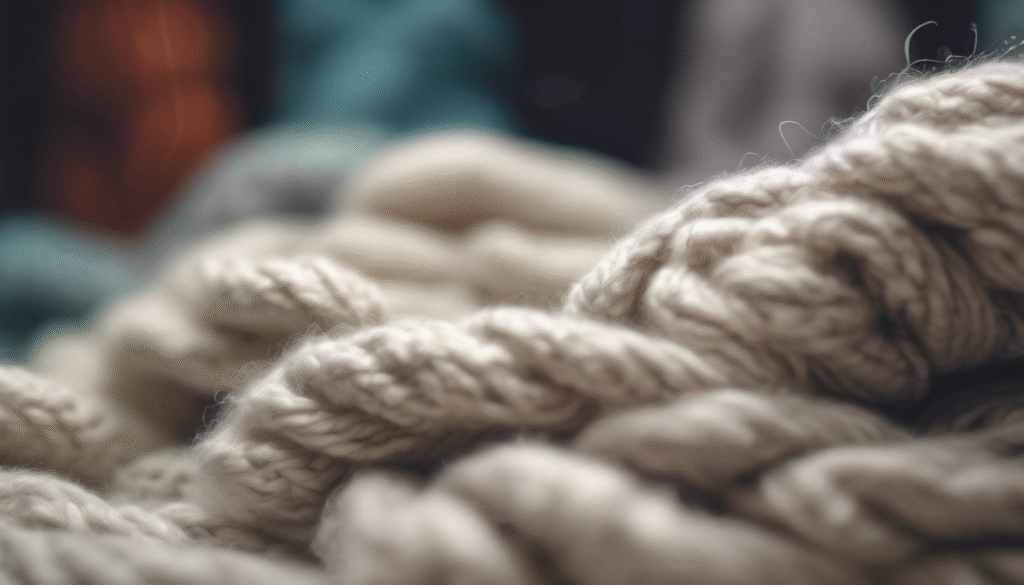
Woolen art is a captivating blend of creativity and craftsmanship, showcasing the unique qualities of wool in various forms. From intricate tapestries to modern fashion pieces, artists across the globe are embracing this versatile medium. This art form not only preserves traditional techniques but also allows for innovative interpretations that resonate with contemporary audiences. In this exploration of woolen art, we will delve into its rich history, diverse techniques, and the reasons behind its resurgence in popularity.The Rich History of Woolen Art
Wool has been utilized in art and textiles for thousands of years. Various cultures have developed their own techniques, each adding to the rich tapestry of woolen art history.Traditional Techniques
1. **Felting**: This ancient technique involves matting, condensing, and pressing wool fibers together to create a dense fabric. 2. **Weaving**: Using looms, artists intertwine wool threads to form intricate patterns and designs. 3. **Knitting and Crocheting**: These methods transform wool into wearable art, creating everything from cozy sweaters to delicate lacework. Each of these techniques contributes to the depth and diversity of woolen art, showcasing the skill and creativity of artisans from various backgrounds.Modern Interpretations
As contemporary artists experiment with wool, they merge traditional methods with modern concepts. Today’s woolen art can be found in: - **Sculptures**: Artists create three-dimensional pieces, using wool to explore themes of nature, identity, and culture. - **Fashion**: Designers incorporate wool into their collections, producing unique garments that combine comfort with style. If you're looking for inspiration, check out how to style a ladies woolen top for every occasion. - **Home Decor**: Woolen art is making its way into homes, with pieces like wall hangings and rugs that add warmth and personality to any space.