
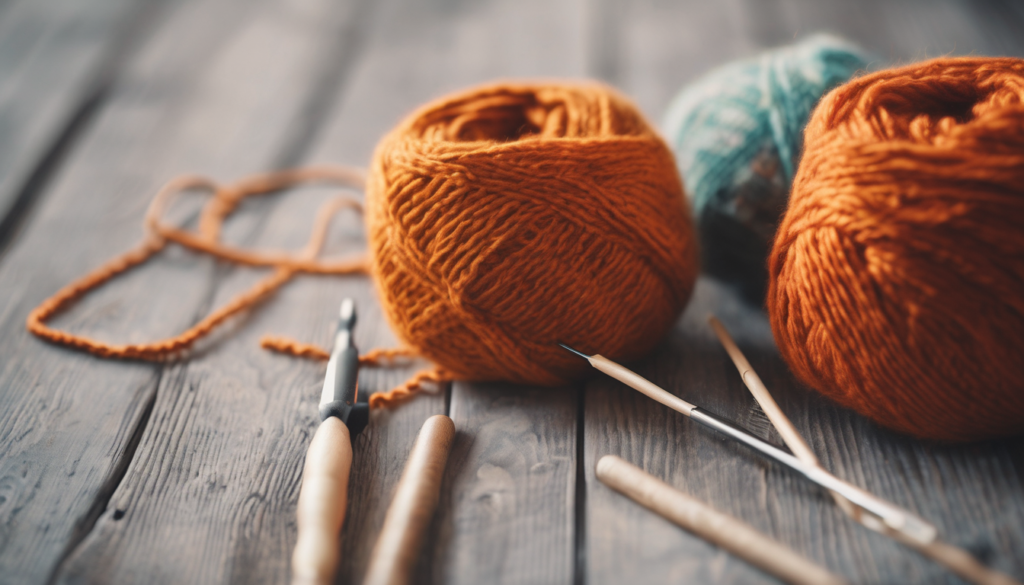
Embarking on a journey into the world of knitting can be both exciting and a little daunting for beginners. With so many techniques, materials, and patterns to explore, it’s essential to start with the basics. Understanding the essentials of knitting will not only help you create beautiful woolen crafts but also make the learning process enjoyable. This guide will provide you with invaluable tips and tricks to kickstart your knitting adventure.
Before diving into the art of knitting, selecting the right materials is crucial. Here’s what you need to consider:
Yarn comes in various weights, textures, and fibers. For beginners, it’s advisable to start with medium-weight yarn, often referred to as worsted weight. Here are some popular fiber options:
Choosing the right knitting needles can significantly affect your knitting experience. Consider the following:
Once you have your materials, it’s time to learn some fundamental knitting techniques. These skills are the building blocks for many projects.
The first step in any knitting project is casting on. This technique creates the initial stitches on your needle. Here are two popular methods:
The two basic stitches in knitting are the knit stitch and the purl stitch. Mastering these will unlock countless patterns:
Once you’ve completed your project, you’ll need to bind off your stitches to secure them. A simple method is:
With the basics under your belt, it’s time to explore different knitting projects. Starting with simple patterns will build your confidence:
These are perfect beginner projects. You can follow a step-by-step guide to knit a scarf that fits perfectly and is functional for colder weather.
Knitting a hat can be a delightful challenge. You can experiment with colors and patterns while practicing your knit and purl stitches.
A simple blanket or throw is an excellent way to practice your skills. It’s a larger project but can be very rewarding.
Taking care of your materials will prolong their life and enhance your knitting experience:
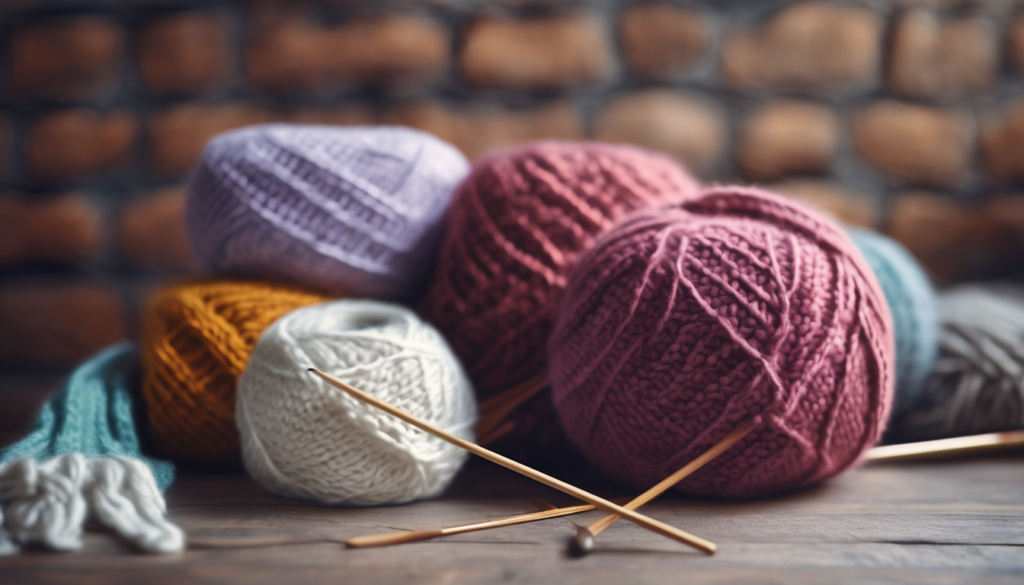
Connecting with other knitters can enhance your learning experience. Here are some ways to find community and resources:
Acrylic yarn is often recommended for beginners due to its affordability, durability, and ease of care.
Learning basic knitting techniques can take a few hours, but mastering the craft can take months or even years, depending on practice and dedication.
Absolutely! Many knitters enjoy creating their own designs. Starting with simple shapes and stitches can help you develop your style.
Common mistakes include uneven tension, dropping stitches, or not counting stitches accurately. Don’t be discouraged; practice makes perfect!
Look at knitting magazines, social media platforms, or websites like Pinterest for a wealth of ideas and patterns.
Knitting can be a profoundly rewarding hobby, offering both relaxation and the joy of creating. As you embark on this woolen art journey, remember to be patient with yourself and celebrate your progress. Whether you’re crafting cozy sweaters, stylish woolen jackets, or a long coat, every stitch you knit is a step toward mastering this beautiful craft. Happy knitting!