Introduction
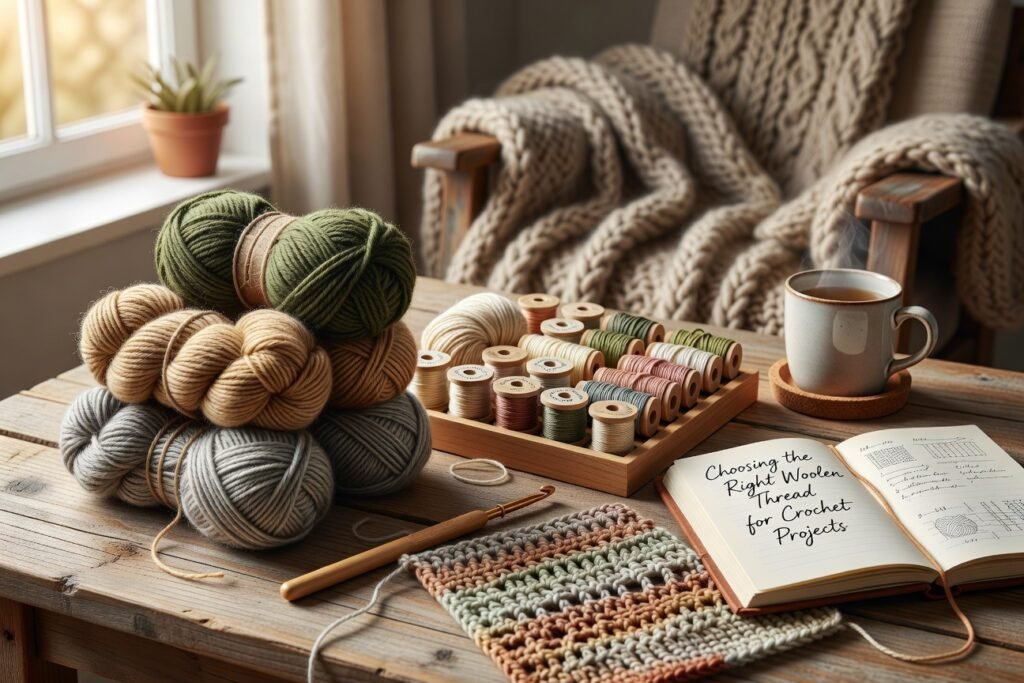
Crochet enthusiasts know that the choice of thread can make or break a project. When it comes to woolen threads, the options are vast, each type offering unique properties that cater to different crochet needs. Whether you’re crafting cozy winter essentials or intricate decorative items, understanding the nuances of woolen threads is crucial. In this guide, we will explore the various types of woolen threads available, their best uses, and tips for selecting the right one for your crochet projects.
Understanding Woolen Threads
Woolen threads are made from sheep’s wool and come in various forms and blends. They are celebrated for their warmth, durability, and versatility. However, not all wool is created equal. Here’s what you need to know:
Types of Woolen Threads
- 100% Wool: Pure wool threads are soft, elastic, and warm. They are ideal for projects where warmth is a priority.
- Wool Blends: These threads combine wool with other fibers, such as acrylic or nylon, offering enhanced durability and ease of care.
- Merino Wool: Known for its softness, merino wool is perfect for garments worn directly against the skin. It is breathable and moisture-wicking.
- Roving Wool: This unspun fiber can be used for a variety of projects, including felting and thick crochet pieces.
- Superwash Wool: Treated to be machine washable, superwash wool is great for items that require easy care, like children’s clothing.
Factors to Consider When Choosing Woolen Thread
When selecting a woolen thread for your crochet project, consider the following factors:
Project Type
The type of project will heavily influence your choice of thread. Here are some common project types and suitable woolen threads:
- Garments: For sweaters or scarves, opt for soft merino wool or a wool blend to ensure comfort against the skin.
- Accessories: Items like hats and gloves can benefit from 100% wool for extra warmth.
- Home Décor: For blankets or pillows, a thicker wool or roving wool can create a cozy texture.
Gauge and Weight
The weight of the thread affects the final look and feel of your project. Common weights include:
- Lace Weight: Ideal for delicate items like shawls.
- Sport Weight: Suitable for lighter garments and accessories.
- Worsted Weight: A versatile choice for most projects, including blankets and sweaters.
- Bulky Weight: Perfect for quick projects like chunky scarves and blankets.
Always check the pattern for recommended gauge and thread weight to ensure your project turns out as expected.
Color and Texture
Woolen threads come in an array of colors and textures. Consider the following:
- Solid Colors: Great for classic looks and versatile projects.
- Variegated or Ombre: Adds depth and interest to your projects.
- Texture: Some woolen threads have a textured finish, which can enhance the visual appeal of your work.
Caring for Woolen Threads
Proper care is essential to maintain the quality of your woolen projects. Here are some care tips:
- Hand Wash: Most wool items should be hand washed in cold water with mild detergent.
- Dry Flat: Avoid wringing out wool items; instead, lay them flat to dry to maintain their shape.
- Store Properly: Keep wool items in a cool, dry place to prevent moth damage.
Where to Buy Quality Woolen Threads
Finding the right woolen thread can be an adventure. Here are some tips for sourcing quality materials:
- Local Yarn Shops: These often carry a curated selection of high-quality woolen threads and can provide personal recommendations.
- Online Retailers: Websites like Ravelry and WEBS offer a vast selection and user reviews to help you choose.
- Craft Fairs: Local craft fairs can be a great place to find unique, locally-sourced woolen threads.
Common Mistakes to Avoid
When selecting woolen threads for your crochet projects, avoid these common pitfalls:
- Choosing a thread that’s too thin for your project, which could lead to a flimsy result.
- Overlooking the care instructions, especially for items that need to be durable, like baby clothes.
- Not sampling a swatch before starting your project to check for comfort and gauge accuracy.
Conclusion
Choosing the right woolen thread for your crochet projects can elevate your work and ensure longevity. By understanding the different types available, considering your project requirements, and being mindful of care, you can make informed decisions that will lead to beautiful results. Whether you’re crafting cozy essentials like woolen hats, gloves, and scarves or exploring the world of crochet, the right thread is your first step toward success.
If you’re ready to dive into your next crochet project, check out our A Guide on How to Knit for Beginners for helpful tips. And don’t forget to explore the Top 10 Woolen Items You Must Have This Winter for inspiration!
FAQ
1. Can I use acrylic thread instead of wool for crochet projects?
Yes, acrylic thread is a popular and budget-friendly alternative. However, it lacks the warmth and breathability that wool provides.
2. How do I know which wool thread is best for my project?
Consider the type of project, desired warmth, and care requirements. Always refer to the pattern for gauge recommendations.
3. Is wool suitable for people with allergies?
Some individuals may be allergic to wool. In such cases, opt for synthetic blends or hypoallergenic fibers.
4. How can I achieve the correct gauge with woolen thread?
Make a gauge swatch before starting your project. Adjust your hook size if necessary to match the pattern’s gauge.
5. What is the best way to store woolen threads?
Store wool threads in a cool, dry place away from direct sunlight and moisture to prevent damage and deterioration.
Start your next crochet adventure today! Happy crocheting!