
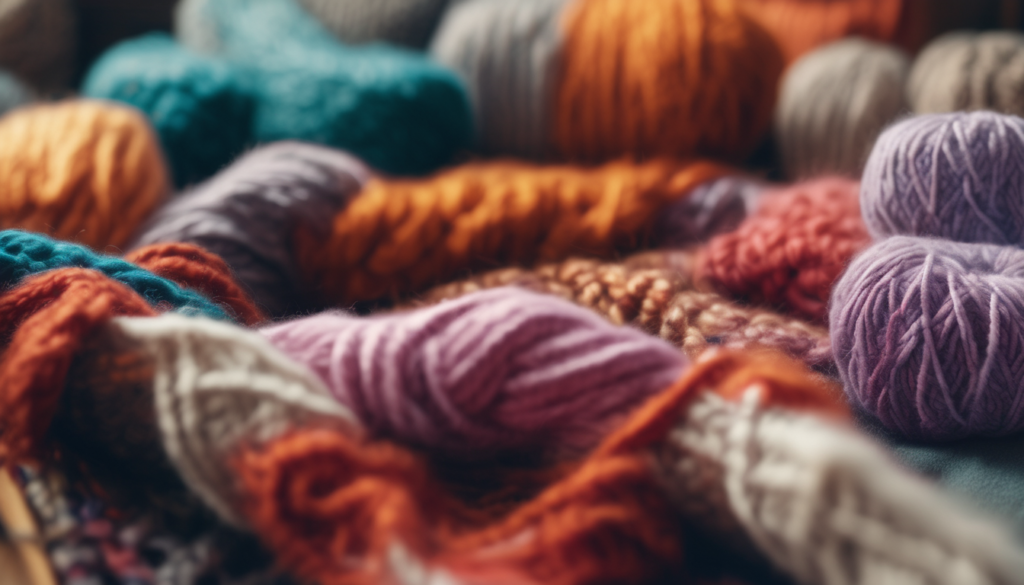
Wool has long been celebrated for its warmth, durability, and versatility. From cozy sweaters to intricate tapestries, the art of working with wool can take many forms. Whether you’re a seasoned crafter or a curious beginner, exploring woolen crafts can be both fulfilling and enjoyable. In this article, we will delve into various techniques, including knitting and weaving, while offering tips and insights to help you embark on your woolen crafting journey.
Before diving into the specifics of knitting and weaving, it’s important to understand what makes wool such a special material. Not only is it natural and biodegradable, but it also has unique properties that lend themselves well to crafting.
– **Insulation**: Wool traps air, providing excellent thermal insulation, making it perfect for cold-weather garments.
– **Moisture Wicking**: It can absorb up to 30% of its weight in moisture without feeling wet, helping to keep you dry and comfortable.
– **Durability**: Wool fibers are resilient, providing longevity to your crafted items.
– **Versatility**: Available in various types and blends, wool can be used for everything from soft baby blankets to durable carpets.
With this understanding, let’s explore two popular woolen crafts: knitting and weaving.
Knitting is a popular craft that involves creating fabric from yarn using two needles. It allows for a range of projects, from simple scarves to complex sweaters.
To begin your knitting journey, you’ll need a few essential supplies:
– **Yarn**: Choose wool or a wool blend for warmth and comfort.
– **Knitting Needles**: Select the appropriate size for your yarn. Beginners often find that medium-sized needles (US size 8 or 9) work well.
– **Pattern**: Look for beginner-friendly patterns to start, such as dishcloths or scarves.
1. **Casting On**: This is the method used to create the initial stitches on your needle.
2. **Knit Stitch**: The most fundamental stitch that forms the fabric.
3. **Purl Stitch**: Another basic stitch that creates texture.
4. **Binding Off**: This technique secures your project and allows you to remove it from the needles.
For a visual guide, consider watching this informative video on basic knitting techniques.
Here are a few knitting projects ideal for beginners:
– **Garter Stitch Scarf**: Simple and quick, perfect for practicing stitches.
– **Knit Hat**: A cozy accessory that can be customized in size and color.
– **Baby Blanket**: A soft, warm gift that’s always appreciated.
Weaving is another ancient technique that involves interlacing threads to form fabric. While it may seem more complex than knitting, it can be incredibly rewarding.
To get started with weaving, you’ll need:
– **Loom**: Choose from various types, including rigid heddle looms or floor looms.
– **Warp Yarn**: Used to create the vertical threads on the loom.
– **Weft Yarn**: The yarn that interlaces through the warp.
1. **Setting Up the Loom**: Learn how to warp your loom properly.
2. **Plain Weave**: The simplest weave pattern, alternating over and under.
3. **Twills and Patterns**: Explore more complex patterns as you gain confidence.
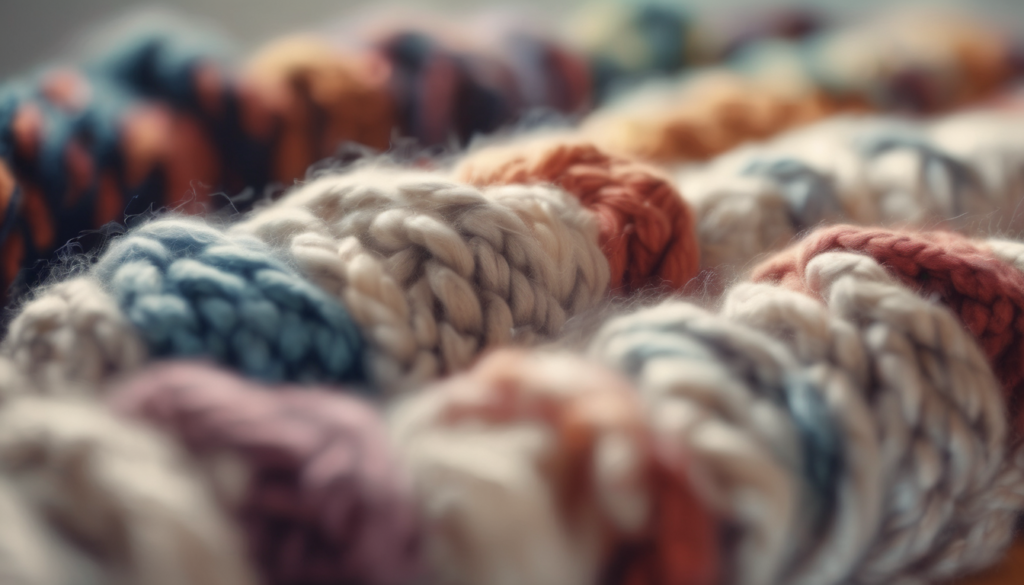
Consider starting with these easy projects:
– **Placemats**: Functional and decorative, perfect for practicing.
– **Wall Hangings**: A creative way to express your artistic side.
– **Scarves**: Weave a beautiful and unique accessory.
For those adventurous enough, combining knitting and weaving can lead to stunning results. Consider creating a woven fabric and then knitting it into a garment, or using knitted pieces as embellishments on woven items.
– **Choose Quality Wool**: Investing in high-quality wool will enhance your crafting experience.
– **Practice Regularly**: The more you practice, the better you’ll become.
– **Join a Community**: Engage with online forums or local craft groups to share ideas and get support.
The best types of wool for knitting and weaving include merino for its softness, lambswool for its warmth, and Shetland for its durability.
The time it takes to learn varies by individual, but with practice, beginners can create simple projects within a few weeks.
Yes, synthetic yarns can be used, but they may lack some of the natural properties of wool, such as breathability and warmth.
Many websites offer free patterns, and you can also find books dedicated to these crafts at your local library or bookstore.
Yes, platforms like Ravelry and YouTube provide a wealth of tutorials and community support for both knitting and weaving.
The world of woolen crafts is rich with possibilities, allowing you to express your creativity while crafting beautiful, functional items. Whether you choose to knit a warm sweater or weave a stunning wall hanging, the skills you acquire will serve you well for years to come.
Ready to get started? Gather your materials, find a cozy spot, and let the art of woolen crafts inspire you. Don’t forget to explore our collection of woolen products for additional inspiration, including the [Versatility of Long Wool Coats for Women](https://woolenart.com/the-versatility-of-long-wool-coats-for-women/) and the [Cozy Comfort: Woolen Long Coat Women’s Collection](https://woolenart.com/cozy-comfort-woolen-long-coat-womens-collection/). Happy crafting!