
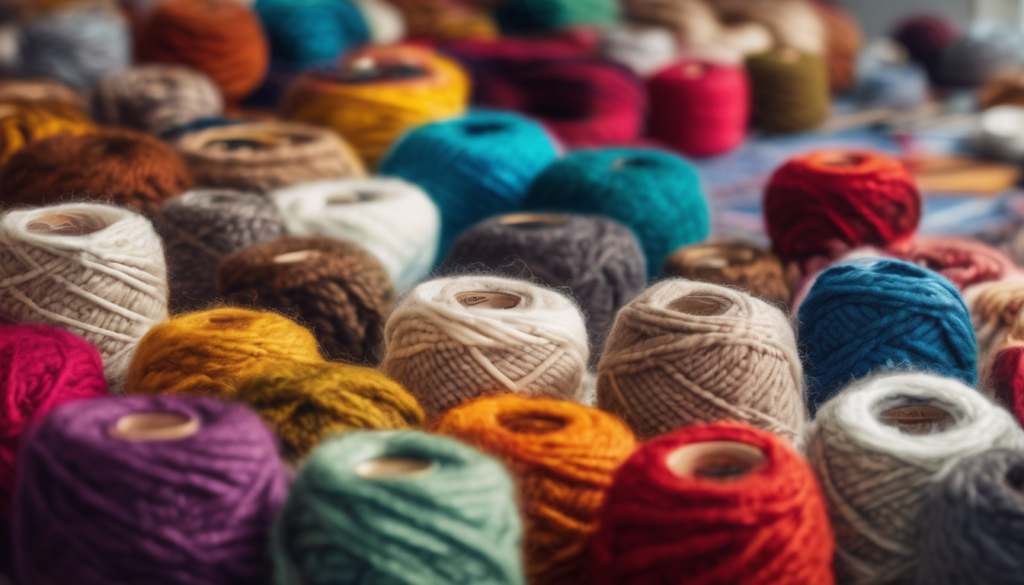
Woolen crafts have captivated artisans and enthusiasts for centuries, blending practicality with artistry. From cozy sweaters to intricate tapestries, the versatility of wool allows for a wide range of creative expressions. In this exploration, we will delve into the rich traditions and innovative techniques that define the world of woolen crafts, showcasing how this natural fiber continues to inspire both creators and wearers.
The journey of woolen crafts dates back thousands of years. Initially, wool was valued for its warmth and durability, making it a staple in ancient communities. Here are a few key points in the history of woolen crafts:
Today, woolen crafts encompass a plethora of techniques and styles, reflecting the creativity of artisans around the globe. Here are some popular forms of woolen craftsmanship:
Knitting is perhaps the most recognized form of woolen craft. It involves creating fabric by interlocking loops of yarn using needles. This technique allows for an array of designs, from simple scarves to complex patterns. Benefits of knitting include:
Crocheting uses a hooked needle to create fabric, resulting in distinct textures. This method is often employed for making decorative items, such as doilies and lace. Popular crocheted items include:
Felting is a unique technique that transforms wool fibers into a dense, sturdy fabric through moisture, heat, and agitation. This method can produce items such as:
Weaving involves interlacing threads on a loom to create fabric. This traditional craft can produce beautiful tapestries, rugs, and garments. Notable weaving styles include:
Woolen crafts are not just about aesthetics; they also serve practical purposes. Here’s how woolen items excel in both realms:
Wool is naturally insulating, moisture-wicking, and durable, making it ideal for various functional pieces:
Artisans around the world use wool to create stunning pieces that can serve as focal points in any room:
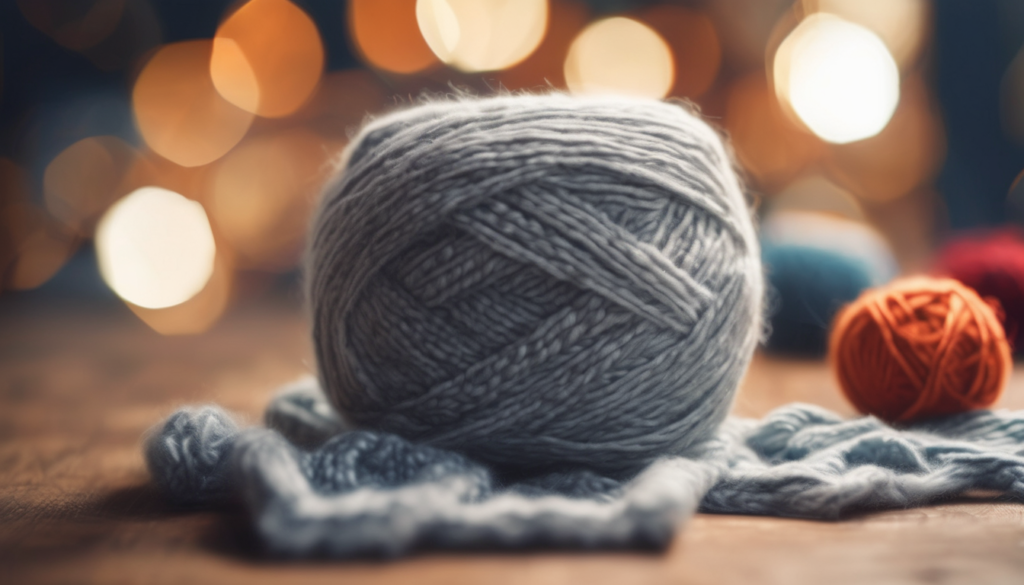
As the world shifts towards sustainability, woolen crafts present an eco-friendly alternative to synthetic materials. Here are some reasons why wool is a sustainable choice:
If you’re inspired to dive into the world of woolen crafts, here are some tips to get started:
For those who prefer visual learning, there are numerous online resources available. Check out this for a comprehensive guide to getting started with knitting and crocheting.
Commonly used wools include Merino, Shetland, and Corriedale, each offering unique textures and qualities suitable for different crafts.
Absolutely! Many woolen crafts can be done at home with minimal equipment. Knitting and crocheting, for instance, require just yarn and needles or hooks.
Woolen items typically require gentle washing in cold water, followed by air drying to maintain their shape and quality.
Craft stores, online marketplaces, and specialty wool shops are great places to find quality wool and tools.
For insights into the latest styles, check out the woolen fashion trends for upcoming seasons.
Woolen crafts not only offer a creative outlet but also connect us to a rich history and a sustainable future. Whether you are looking to keep warm with a cozy sweater or adorn your home with artistic pieces, the possibilities with wool are endless. Ready to unleash your creativity? Start your woolen craft journey today!