
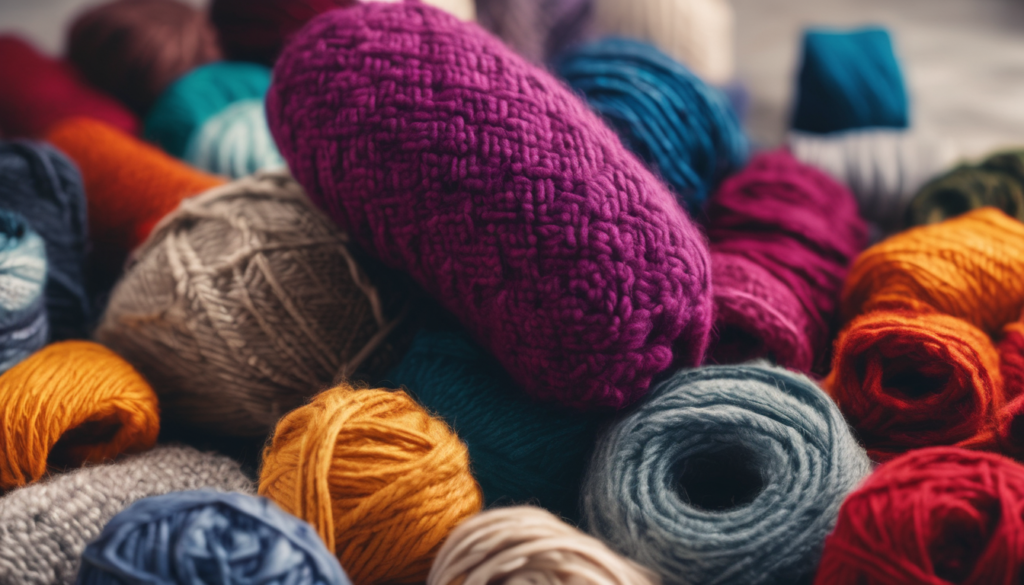
Woolen crafts are a beautiful blend of tradition, skill, and creativity. From cozy sweaters to intricate tapestries, the artistry involved in woolen creations showcases the unique characteristics of wool as a medium. The process of crafting with wool not only demonstrates the artisan’s talent but also reveals the intricate techniques passed down through generations.
Wool has been utilized for thousands of years, dating back to ancient civilizations. The history of woolen artistry varies across cultures, but the core remains the same: a dedication to craftsmanship and a deep appreciation for the material. Here are some key points in the evolution of woolen crafts:
Understanding the techniques used in woolen craftsmanship is essential for appreciating the art form. Here are some popular methods:
This method involves interlocking loops of yarn using needles. The versatility of knitting allows artisans to create a wide range of items, from garments to decorative pieces. For beginners, this guide on knitting a scarf provides a perfect starting point.
Weaving involves interlacing two sets of yarn—warp and weft—on a loom. This technique produces fabrics with unique textures and patterns, making it ideal for rugs, blankets, and more.
Felting is a fascinating technique that transforms wool fibers into a dense fabric through moisture, heat, and pressure. This method is often used for creating hats, bags, and decorative items.
Adding embellishments to woolen pieces through embroidery enhances their aesthetic appeal. Artisans can express their creativity by incorporating various stitches and patterns into their work.
Woolen crafts offer numerous advantages, both functional and aesthetic. Here are some key benefits:
To delve deeper into the advantages of woolen fabrics, check out this article on the benefits of woolen fabrics.
The fashion world has embraced woolen artistry, offering stylish options for every wardrobe. From cozy knitwear to elegant woolen tops, the versatility of wool has made it a staple in contemporary fashion. Consider these stylish choices:
Woolen tops are a fashionable choice for women looking to stay warm without sacrificing style. These tops can be paired with various outfits, making them perfect for both casual and formal occasions. For inspiration, explore this fashion guide on stylish woollen tops for women.
Woolen accessories like hats, scarves, and gloves add a touch of elegance while providing warmth. Handcrafted items stand out for their unique designs and quality craftsmanship.
Wool can be used to create beautiful home décor items, such as cushions, throws, and wall hangings. The texture and warmth of woolen pieces enhance any living space.
As we move further into the 21st century, woolen artistry continues to evolve. Here are some modern trends shaping the craft:
With a growing emphasis on sustainability, many artisans are focusing on eco-friendly practices, using ethically sourced wool and natural dyes.
The use of technology in woolen crafts, such as digital knitting machines and online marketplaces, has expanded the reach of artisans, allowing them to showcase their work globally.
Contemporary artists are experimenting with mixed media, combining wool with other materials to create unique, hybrid pieces that challenge traditional boundaries.
The beauty of woolen artistry is best appreciated through visual representation. For an inspiring look at the craftsmanship involved, watch this engaging video: .
The best types of wool for crafting include Merino, Shetland, and Alpaca, each offering unique qualities such as softness, warmth, and durability.
Absolutely! Many online resources and local workshops are available to help beginners learn knitting, weaving, and other woolen techniques.
Most woolen items require gentle hand washing and should be laid flat to dry to maintain their shape and quality.
Yes! Many artisans focus on sustainable practices, using ethically sourced wool and natural dyes to create eco-friendly products.
Popular woolen crafts for home décor include knitted blankets, woven wall hangings, and felted cushions that add warmth and texture to living spaces.
Woolen artistry is not just a craft; it is a celebration of culture, creativity, and sustainability. Whether you’re an artisan or an admirer, understanding its intricacies can enhance your appreciation of this timeless art form. Dive deeper into the world of woolen crafts, explore your creativity, and perhaps even pick up a new skill. Join the community of wool enthusiasts and start your journey today!