
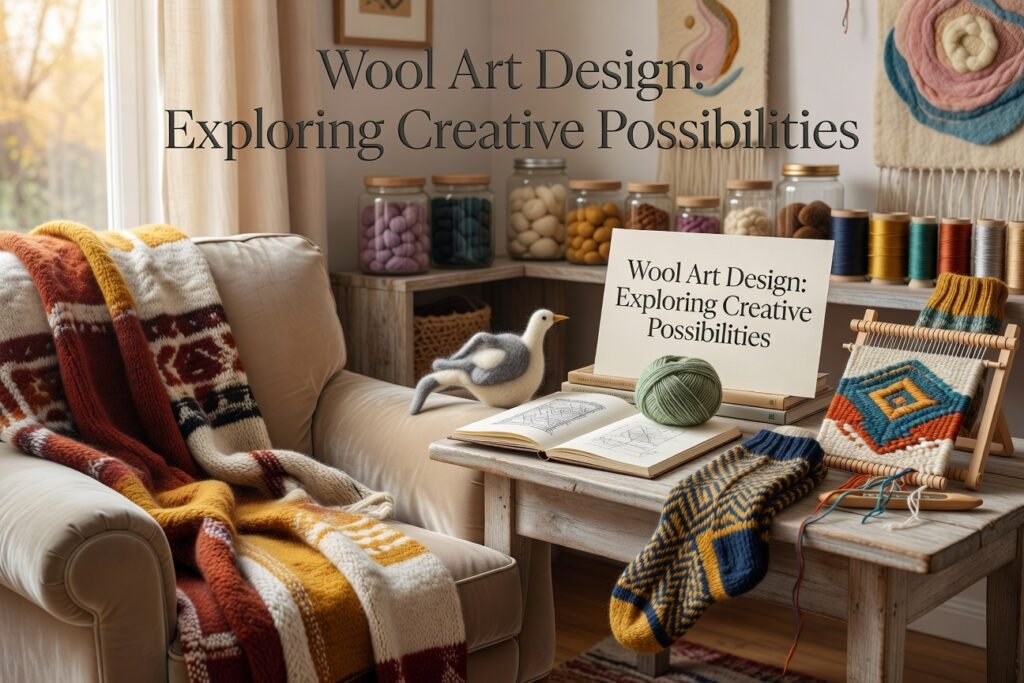
Wool art design is an enchanting realm where creativity meets texture, color, and craftsmanship. Whether you’re a seasoned artist or a curious beginner, the possibilities are endless when it comes to creating stunning works of art with wool. From intricate needle felting to vibrant yarn displays, this versatile medium allows for a myriad of techniques and styles that can transform simple fibers into breathtaking creations. In this blog post, we will delve into the various aspects of wool art design, exploring different techniques, materials, and inspirations that will help you unleash your creativity.
Wool is a natural fiber that comes from sheep and other animals like goats, rabbits, and alpacas. Its unique properties make it an ideal choice for various art forms:
Let’s take a closer look at some of the most popular techniques used in wool art design:
Needle felting is a technique that involves using a barbed needle to tangle wool fibers together, creating a dense and firm structure. This method is perfect for creating three-dimensional shapes and sculptures.
Wet felting combines wool fibers, water, and soap to create a felted fabric. This technique is often used for larger projects, such as bags or wall hangings.
Knitting and crocheting are traditional textile arts that can be transformed into stunning wool art pieces. From cozy sweaters to intricate lace designs, the options are vast.
Wool embroidery combines traditional embroidery techniques with wool threads, allowing for rich textures and vibrant colors. This technique is perfect for embellishing garments or creating wall art.
Now that you’re familiar with various techniques, here are some project ideas to inspire your wool art journey:
Inspiration can come from various sources. Here are some tips to help you find your creative spark:
Merino wool is highly recommended for felting due to its fine fibers and ease of manipulation. Other suitable options include Corriedale and Romney.
Absolutely! Wool art design offers various entry points, from simple knitting projects to basic needle felting. Start with beginner-friendly projects to build your skills.
Care depends on the specific type of wool project. Generally, handwashing with mild soap and air drying is recommended. Avoid direct sunlight to prevent fading.
Wool art design is a wonderful way to express your creativity and produce tactile, beautiful pieces. With various techniques to explore and an endless array of project possibilities, you can create art that is not only stunning but also functional. Whether you’re crafting a cozy scarf or a vibrant wall hanging, the joy of working with wool is unparalleled.
Are you ready to dive into the world of wool art? Gather your materials, choose a technique, and let your imagination run wild. Share your creations with us and join the growing community of wool artists!
[YOUTUBE_EMBED]