
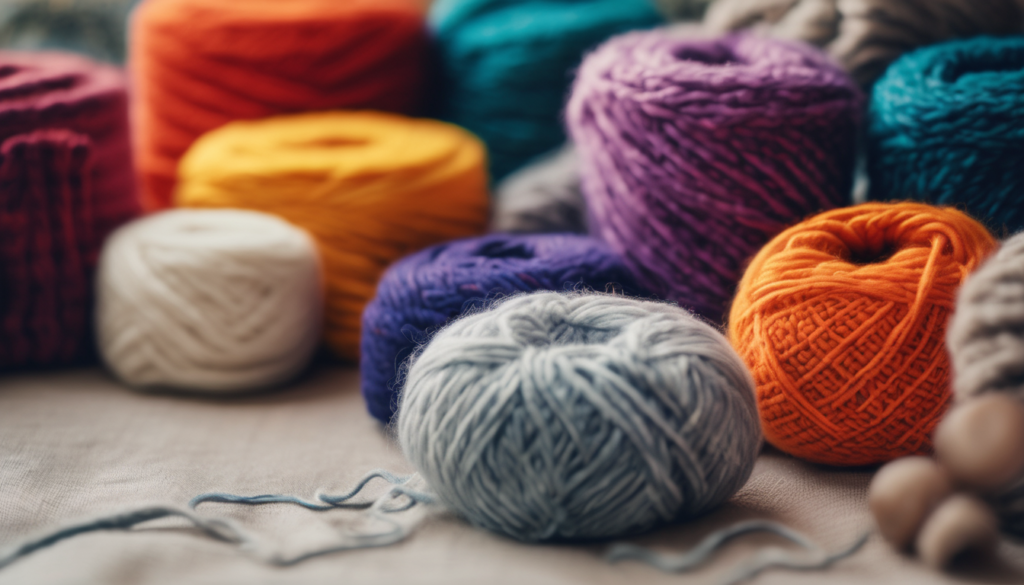
Woolen art is a captivating blend of creativity and craftsmanship that has enchanted artisans and enthusiasts alike for centuries. This unique form of expression not only highlights the beauty of wool but also showcases the versatility of this natural fiber. From intricate weaving techniques to vibrant felt creations, the world of woolen art is expansive and full of potential. Whether you’re a seasoned crafter or a curious beginner, understanding the various aspects of woolen art can inspire you to create your own unique pieces.
Before diving into the creative processes, it’s essential to understand the material that forms the foundation of woolen art. Wool is a natural fiber obtained from sheep and other animals, renowned for its warmth, durability, and versatility. Let’s explore the different types of wool commonly used in crafting:
Each type of wool brings its own characteristics and charm, influencing the final product’s texture, appearance, and usability.
Woolen art encompasses a variety of techniques that allow artisans to craft stunning creations. Here are some popular methods:
Felting is a process that involves matting and compressing wool fibers to create a dense fabric. This technique can be done wet or dry:
Weaving is a traditional technique that involves interlacing two sets of yarns on a loom. This method allows for intricate patterns and textures, perfect for creating scarves, blankets, and more.
Knitting and crocheting are popular techniques for making garments and accessories. They allow for creativity in design, with the possibility of incorporating various colors and stitch patterns.
Spinning transforms raw wool fibers into yarn, which is then used for knitting, weaving, or crocheting. Spinning can be done on a spinning wheel or with a spindle, offering a personal touch to your woolen creations.
Now that you have a grasp of the techniques, let’s explore how to create your own unique woolen pieces. Here are some ideas to get you started:
Felted ornaments are perfect for seasonal decorations. Here’s a quick guide:
In today’s world, sustainability is crucial. Woolen art can be a sustainable choice due to the renewable nature of wool. Here are some tips for eco-friendly crafting:
The beauty of woolen art goes beyond individual creations; it fosters community among crafters. Platforms like Empowering Women through WoolenArt provide an avenue for artisans to share their work and connect with others, promoting handmade crafts and supporting local economies.
Wool is not just for cozy sweaters—it’s also a staple in fashion. With trends evolving every season, staying updated is essential. This winter, explore the latest woolen fashion trends that highlight sustainability and style.
Whether you’re looking to add a personal touch to your home or gift something special, woolen art offers endless possibilities. Consider these ideas:
Merino wool is often recommended for beginners due to its softness and ease of handling.
Yes, synthetic fibers can be blended with wool for added durability and different textures, but pure wool is often preferred for its natural qualities.
Most wool items require gentle washing with cold water and laying flat to dry to maintain their shape and texture.
Yes, there are many online forums and social media groups where crafters share tips, patterns, and inspiration.
Local craft stores, online retailers, and specialty wool shops are great places to find high-quality wool for your projects.
The world of woolen art is a magical realm where creativity knows no bounds. By exploring different techniques, understanding the materials, and connecting with a community of like-minded individuals, you can embark on your own crafting journey. Whether you choose to knit, felt, or weave, each piece you create tells a story and adds a touch of warmth and uniqueness to your life. Don’t wait any longer—pick up some wool and start crafting your masterpiece today!